Everything About Lawful Video Depositions: Exactly How They Work and Why You Need Them
Legal video clip depositions play an essential function in the lawsuits procedure. They catch witness testaments in a way that protects both talked words and non-verbal signs. This approach uses distinctive advantages over traditional written depositions. Recognizing how these depositions function and their value can substantially influence instance end results. The ins and outs of the process and its technological aspects disclose much about their efficiency. What continues to be to be checked out is just how they are utilized in court settings.

What Is a Lawful Video Clip Deposition?
A legal video clip deposition is a documented statement extracted from a witness under oath, commonly carried out beyond the courtroom. This process catches both the non-verbal and spoken feedbacks of the witness, supplying an extensive account of their declarations. Legal video clip depositions serve multiple objectives in litigation, including preserving a witness's statement for later usage in court, evaluating the reputation of the witness, and promoting settlement discussions. They are frequently utilized in civil instances, particularly in accident or contract conflicts, where witness accounts can considerably influence the end result. The visibility of a court press reporter assurances that a verbatim transcript goes along with the video clip recording, keeping a reliable record of the process. Lawful video clip depositions are an essential tool for attorneys, offering a dynamic way to existing proof and examine the staminas and weak points of a situation before it reaches test.
The Process of Carrying Out Video Depositions
Conducting video clip depositions includes several crucial actions to assure a smooth and effective procedure. At first, attorneys must schedule the deposition and alert all events included, making sure that the location and time are ideal. Before the deposition, it is necessary to prepare the witness by going over the concerns that will be postured and the general format of the session.On the day of the deposition, a competent videographer establishes the required tools, making sure ideal illumination and audio high quality. As the deposition starts, the witness is sworn in, and examining proceeds as in a traditional deposition, and now come with by video recording.Throughout the session, the videographer checks the taping to ensure and stop interruptions clearness. As soon as completed, the video clip is evaluated for quality control. Finally, the recording is edited and stored securely for future referral, protecting the honesty of the statement.
The Modern Technology Behind Video Depositions
The modern technology that sustains video depositions plays an important duty in ensuring clear and efficient documentation of legal process. This includes the equipment used for recording, the setup needed for perfect efficiency, and the processes associated with editing and saving the video. Understanding these components is important for legal specialists aiming to utilize video clip depositions successfully.
Devices and Arrangement
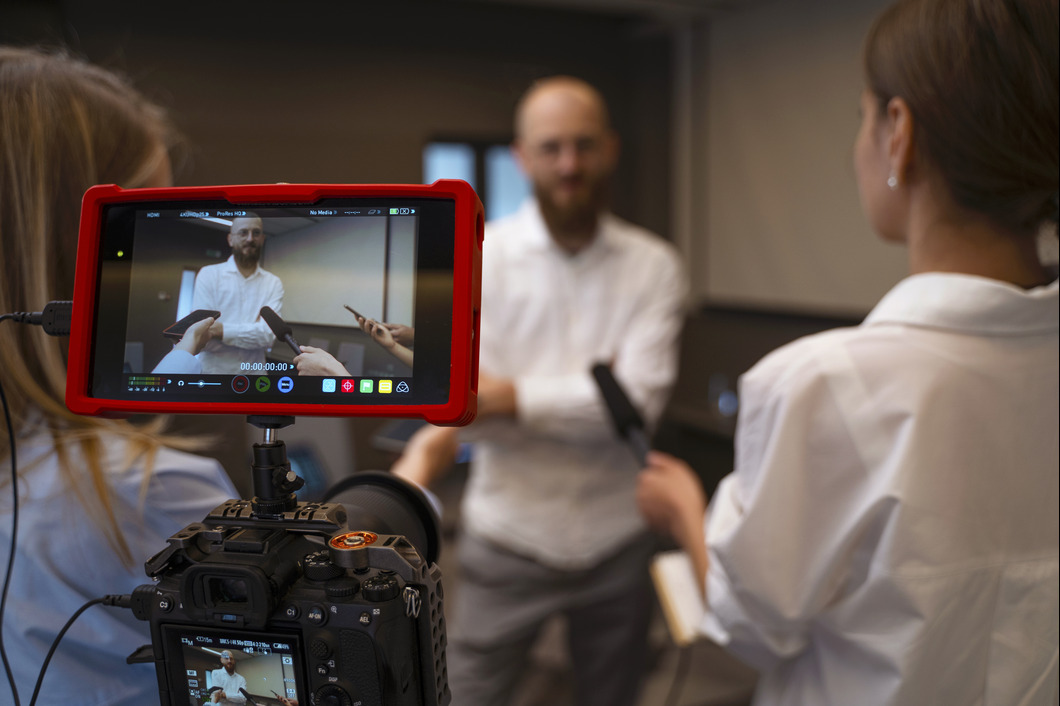
While preparing for a video clip deposition, interest to tools and configuration is vital for catching trusted and clear video. The key parts include premium cams, microphones, and lights systems. Cameras should be qualified of recording in hd to ensure that every information is visible. Professional-grade microphones, ideally lavalier or shotgun types, improve audio quality by minimizing history noise. Proper lights is essential; soft, diffused light assists stay clear of severe shadows and boosts face presence. Additionally, stable tripods are necessary to avoid electronic camera shake. A committed room, complimentary from disturbances, further improves the top quality of the deposition. Validating that all equipment is tested before the session assures a smooth recording experience, contributing to the honesty of the legal process.
Recording Refine Explained
A smooth recording process is important for making certain the integrity of video clip depositions. This process usually begins with high-quality cams and audio equipment, recording both acoustic and aesthetic elements with accuracy. Throughout the deposition, the videographer checks the arrangement, guaranteeing ideal framework and audio levels. Lights is thoroughly adapted to remove darkness and boost exposure. The driver likewise videotapes the proceedings in real-time, concentrating on both the deponent and any kind of pertinent records or displays provided. As the deposition unravels, the technology permits for instant playback, making certain that any type of technical problems can be promptly attended to. This precise attention to information guarantees that the last video properly mirrors the testimony and maintains its legitimacy for legal functions.
Editing And Enhancing and Storage Space Options
Editing and storage space alternatives play a crucial role in the monitoring of video depositions, assuring that the tape-recorded product is both polished and firmly preserved. Post-production editing normally entails eliminating extraneous content, enhancing sound and aesthetic high quality, and adding comments or graphics where required. This process assures that the deposition is professional and clear, ultimately aiding in legal presentations.In terms of storage space, secure electronic platforms are essential for protecting sensitive details. Alternatives consist of cloud storage remedies and encrypted disk drives, both of which use reputable gain access to and backup. By using these technologies, lawyers can successfully manage video depositions, ensuring they are conveniently retrievable and safeguarded against unapproved access, thus maintaining the honesty of the legal procedure.
Benefits of Video Clip Depositions Over Written Depositions
Video clip depositions present numerous benefits over typical written depositions, largely because of their ability to record non-verbal signs and psychological subtleties. This vibrant form of taping enables lawyers and courts to observe body movement, facial expressions, and tone of voice, which are important for recognizing the witness's credibility and sincerity. Additionally, video depositions can improve engagement by supplying a more immersive experience compared to static text.Additionally, video clip depositions facilitate much better retention of details for visitors, as the visual part commonly assists in memory recall. They likewise improve the testimonial process, allowing lawyers to promptly identify pertinent testaments and essential minutes. Furthermore, video depositions can be shared quickly, making them easily accessible for remote participants and during trial discussions. Generally, the splendor of details captured in video style substantially enhances the legal process, providing a much more comprehensive viewpoint than composed depositions alone.
Getting ready for a Video Clip Deposition
When planning for a video clip deposition, it is necessary to take into consideration both the personal and technical aspects to guarantee a successful recording. The technological arrangement should be perfect. This includes making certain that the microphone, illumination, and cam are working properly. The video footage should be clear, with audio quickly distinct, as these factors can significantly influence the top quality of the recording.On the individual side, the deponent should be well-prepared. This includes acquainting themselves with the inquiries that may be asked and understanding the procedure of a video clip deposition. Practicing feedbacks can help in reducing anxiousness and improve quality throughout the recording. Additionally, the deponent should clothe appropriately and keep a made up temperament, as body language and look can influence the understanding of their reliability. By resolving these personal and technical components, a video deposition can be carried out effectively, offering its intended function in the legal process.
Just How Video Clip Depositions Are Utilized in Court
The prep work and execution of a video clip deposition play a significant duty in how these recordings are made use of throughout court procedures. Video clip depositions work as important evidence, enabling juries and judges to observe the disposition and trustworthiness of witnesses. They enable the court to assess non-verbal cues, such as body movement and tone, which are usually crucial in determining the dependability of testimony. In addition, video depositions can be utilized to refresh a witness's memory or to challenge irregular declarations made throughout trial. Sometimes, they might change the need for copyright, particularly when a witness is incapable or unavailable to go to court. Courts commonly admit these recordings as part of the proof, giving an extensive sight of the witness's statements. On the whole, their aesthetic part enhances the understanding of testimony, making video depositions a vital tool in legal process.
Finest Practices for Lawyer and Customers Throughout Video Clip Depositions
Reliable video clip depositions call for mindful preparation and planning by both customers and lawyers. Abiding by technological arrangement standards assures that the recording quality meets legal standards, while maintaining professional conduct is vital to support the stability of the process. Understanding these best practices can substantially improve the overall effectiveness of video clip depositions.
Preparation and Preparation
Technical Setup Standards
While preparing for a video deposition, ensuring a trusted technological setup is important for both attorneys and clients. Initially, a silent, well-lit area should be picked, devoid of distractions and disruptions. The electronic camera ought to be positioned at eye level to produce an all-natural viewing angle, while the microphone should be put close enough to capture clear sound. Evaluating the devices, including video clip and audio top quality, prior to the deposition is important. Attorneys and clients should validate their web connection is stable to prevent interruptions. In addition, it is suggested to have backup tools all set in situation of technical failings. Acquainting oneself with the video clip conferencing system can likewise improve the view website total experience, bring about a smoother deposition process.
Professional Conduct Fundamentals
Keeping specialist conduct throughout video depositions is vital for cultivating a considerate and productive setting. Lawyers ought to prepare extensively, guaranteeing they recognize the instance and Discover More the witness's role. During the deposition, attorneys need to continue to be made up, staying clear of aggressive questioning that might prompt unnecessary problem. legal video depositions. They need to additionally value the rival counsel, enabling reasonable discussion while adhering to the guidelines of evidence. Witnesses are encouraged to address questions plainly and truthfully, avoiding speculation or opinion. Furthermore, customers should be reminded to stay concentrated, lessening distractions during the session. By adhering to these best methods, all parties add to a more reliable deposition process, eventually enhancing the stability of the legal proceedings
Often Asked Inquiries
Just How Much Do Lawful Video Clip Depositions Usually Cost?
Can Anybody Participate In a Lawful Video Deposition?
Participation at a lawful video clip deposition is generally restricted to particular people, such as attorneys and celebrations involved in the case. Others may call for permission or may not be allowed to go to in any way.
The length of time Does a Video Clip Deposition Generally Last?
Typically, a video deposition lasts between one to 4 hours, depending on the complexity of the case and the number of inquiries asked. Breaks might be consisted of to assure participant comfort and focus.
What Occurs if the Witness Can not Go To face to face?
Setups are made for a remote deposition if a witness can not go to in individual. This permits their statement to be videotaped via video clip conferencing, making sure that their statements are protected for legal procedures.
Are Video Clip Depositions Legally Binding?
Video clip depositions are lawfully binding, supplied they stick to administrative rules and policies. They serve as tape-recorded testaments, making certain that statements made by witnesses lug the exact same weight as in-person testimonies during lawful procedures. Legal video clip depositions offer several purposes in litigation, including maintaining a witness's statement for later use in court, evaluating the trustworthiness of the witness, and helping with settlement conversations. Prior to the deposition, it is necessary to prepare the witness by going over the questions that will certainly be presented and the general format of the session.On the day of the deposition, a qualified videographer establishes up the required equipment, making sure optimal lights and sound high quality. As the deposition begins, the witness is sworn in, and questioning earnings as in a typical deposition, but currently accompanied by video clip recording.Throughout the session, the videographer keeps an eye on the tape-recording to make sure and prevent interruptions quality. Video clip depositions present numerous advantages over typical written depositions, mainly due to their capability to capture emotional subtleties and non-verbal hints. legal video depositions. In addition, video clip depositions can enhance visit their website interaction by providing a much more immersive experience compared to static text.Additionally, video clip depositions facilitate much better retention of details for viewers, as the visual element commonly helps in memory recall
Comments on “The future of litigation: Why legal video depositions are here to stay”